Choosing a first turntable: preamp, Bluetooth and stylus
You choose a first turntable on a few questions: separate or with speakers, automatic or placing the arm yourself, and whether you already have an amplifier. Here is how to find the player that fits.

Popular picks from this guide
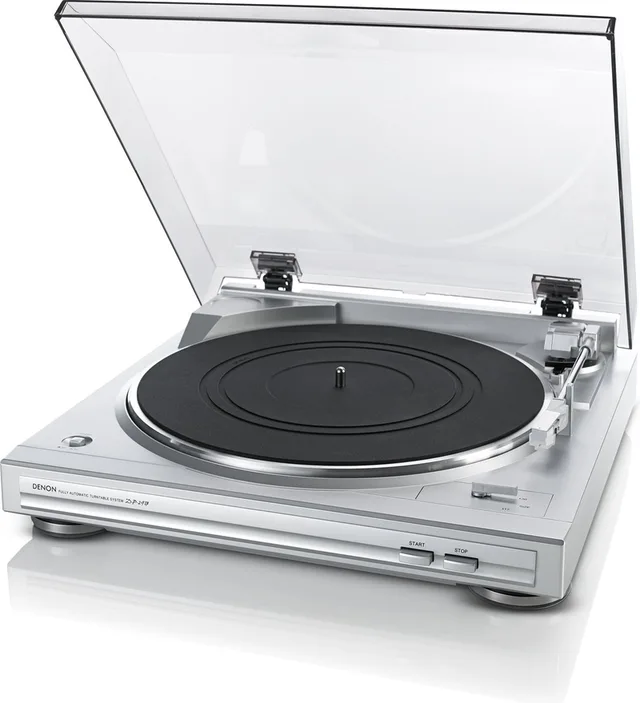
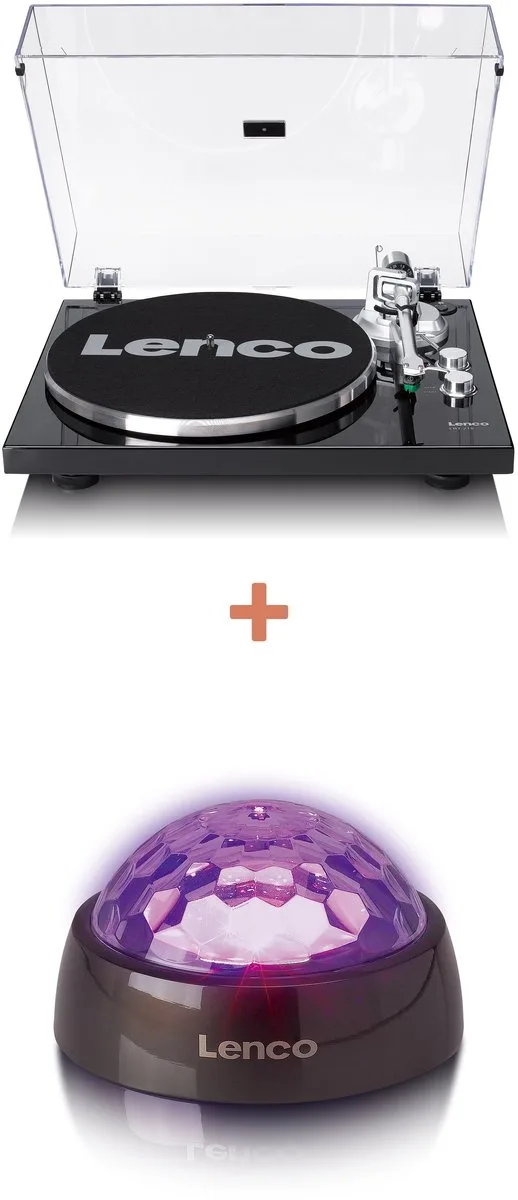
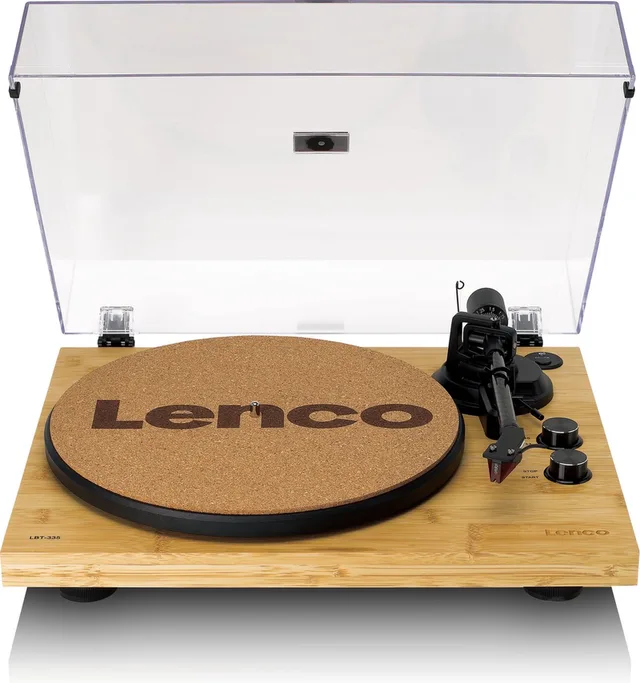
Popular products at today's lowest price. Compare every shop on the product page.
Short answer: For a first turntable, three questions are enough: do you want it separate or with built-in speakers, do you want the arm to lower onto the record by itself (automatic) or do it yourself, and do you already have an amplifier with a phono input? If not, choose a player with a built-in preamp or Bluetooth.
The facts below come from the makers, such as Audio-Technica, Pro-Ject, Ortofon, Sony and Denon, and from the product names in our catalogue. Hifyr tests no turntables itself; always follow the manual of your player and your cartridge when setting them up.
All-in-one or a separate player
There are two kinds. An all-in-one has the speakers built in or included: plug it in and play. Lenco makes several, such as the LS-55WA with built-in speakers and the LS-300WD with two separate speakers.
A separate turntable connects to an amplifier and speakers, to active speakers or to a headphone amplifier. The advantage is that you can choose the parts separately and replace them later: a different stylus, better speakers. The rest of this guide is about that kind.
Automatic or manual
With an automatic player you press start: the arm moves to the record, lowers onto it and returns by itself at the end. Examples are the Audio-Technica AT-LP3XBT, the Sony PS-LX3BT, the Denon DP-300F and the Pro-Ject A1.2, which Pro-Ject calls fully automatic. Handy if you'd rather not place the arm yourself, or if children use it too.
With a manual player you lift the arm and put it down yourself, usually with a small lever that lowers it gently. Pro-Ject makes many manual models, such as the E1.2 Phono and the Debut Pro B. Audio-Technica calls the AT-LPW50BT manual.
Automatic and manual
- Audio-Technica
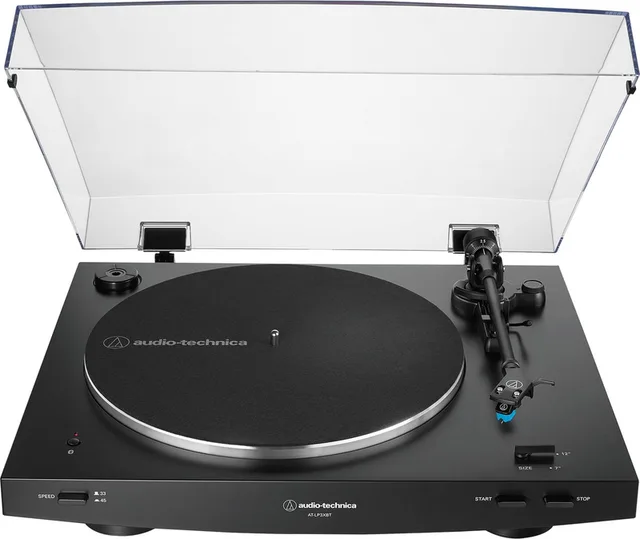
Record Player Audio-Technica AT-LP3XBTBK
BluetoothBlackFrom €282.01 · at 4 shops
Lowest in 24 days
- Sony
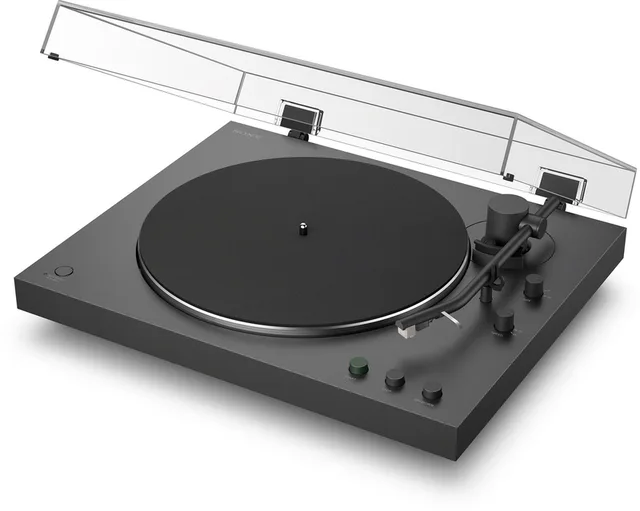
PS-LX3BT Zwart
BluetoothBlackFrom €199 · at 5 shops
Lowest in 25 days
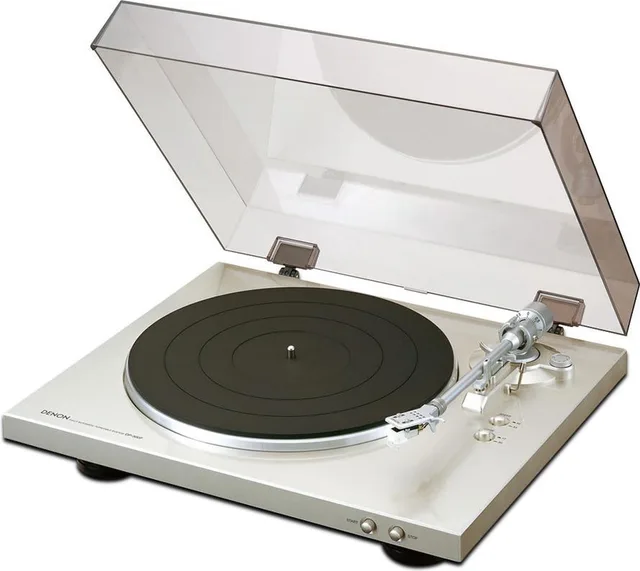
- Denon
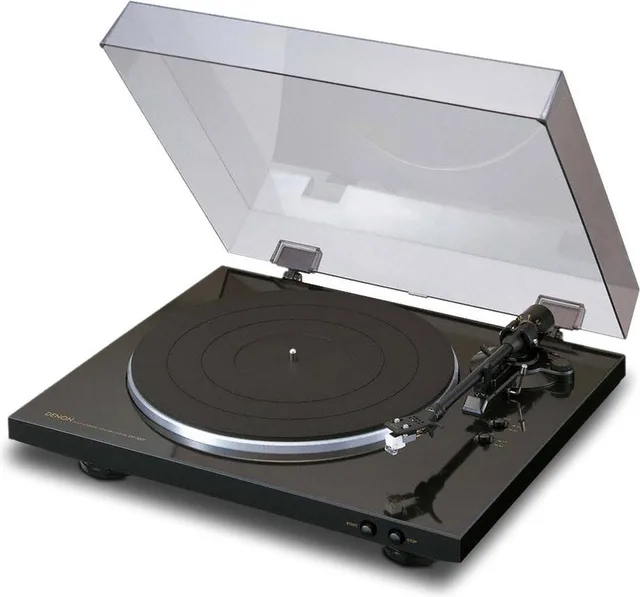
DP-300F
Black, SilverFrom €311 · at 2 shops
- Pro-Ject
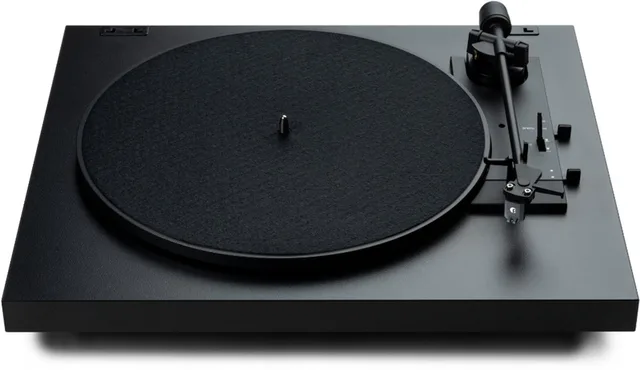
A1.2 Volautomatische Platenspeler
Plug & PlayBlackFrom €550 · at 1 shop
- Pro-Ject
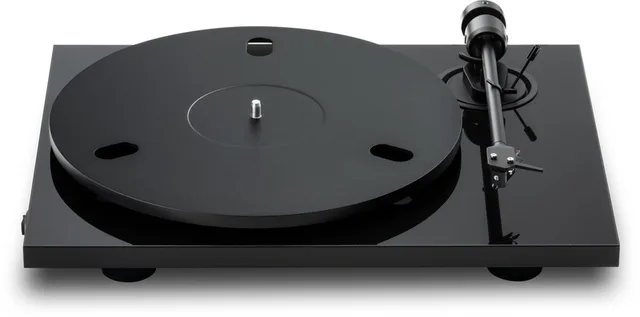
E1.2 Phono Pick it MM E Platenspeler
Ingebouwde Voorversterker · HandgemaaktBlack, WhiteFrom €359 · at 1 shop
- Audio-Technica
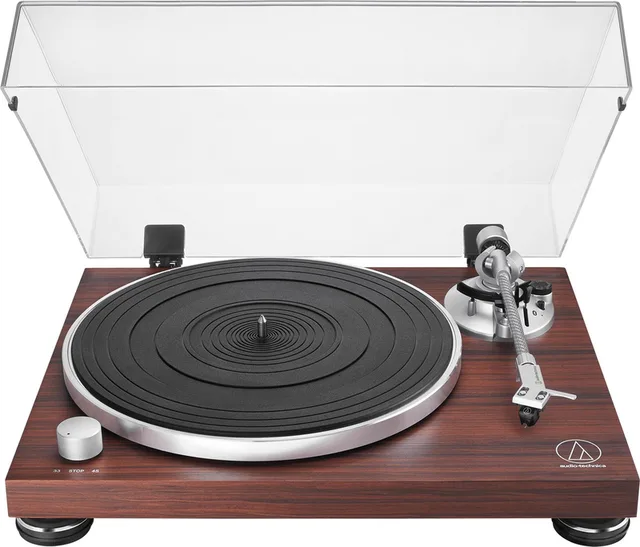
Handbediende Bluetooth Platenspeler
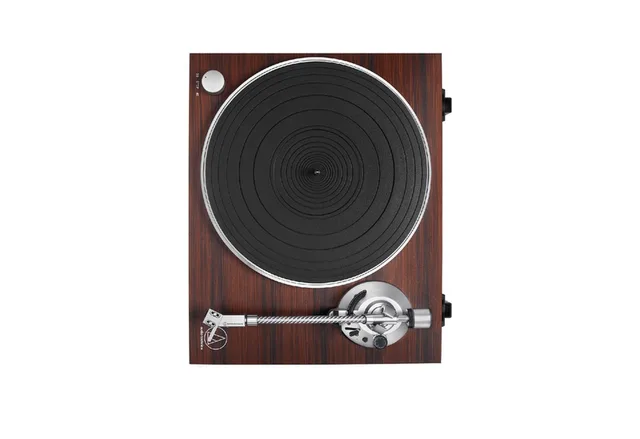
met Riemaandrijving AT-LPW50BTRWBluetoothPalissanderhoutFrom €448 · at 2 shops
Belt or direct drive
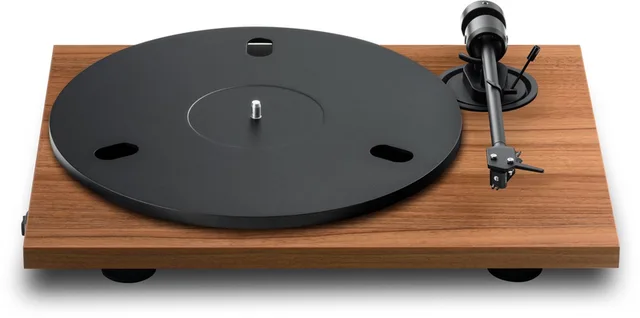
The platter turns through a belt or through a motor directly beneath it (direct drive). With belt drive the motor sits beside the platter and the belt damps vibration; the AT-LPW50BT and the DP-300F say so in their names. With direct drive there is no belt to replace after some years. Technics and Thorens make direct-drive players, such as the Technics SL-40CBT and the Thorens TD 402 DD. For listening at home, both work.
Preamp and Bluetooth
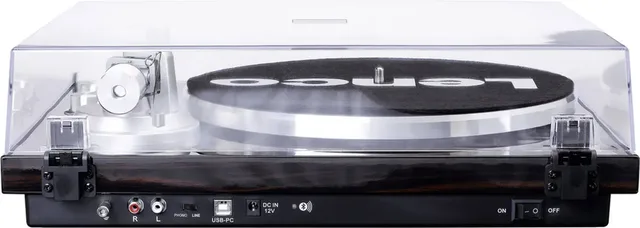
A turntable gives a very weak signal that first has to go through a phono preamp. It sits in an amplifier with a phono input, in the turntable itself or in a separate box. Many beginner players have one built in: the name then says "Phono", "preamp" or "Plug & Play", as with the Pro-Ject E1.2 Phono and the Rega Planar 1 Plus. On many players you can switch the built-in one off if your amplifier has a phono input; check the manual, because not every player can. According to Rega, the Planar 1 Plus goes to a line input and never to a phono input.
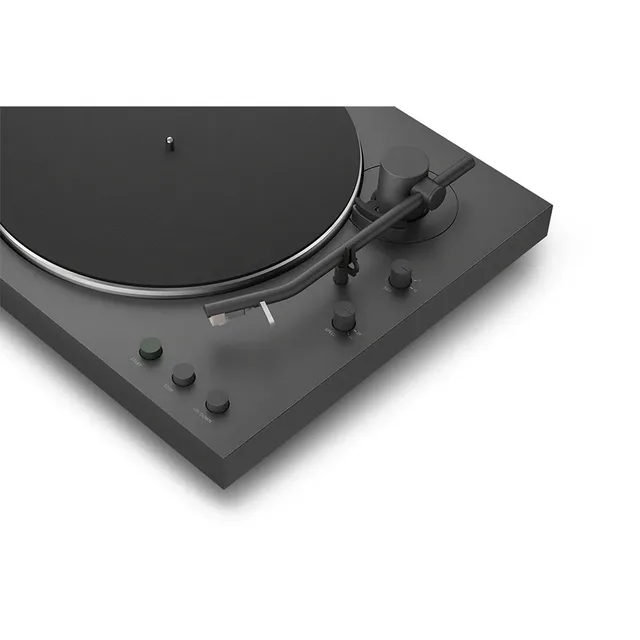
With Bluetooth the player sends the sound wirelessly to headphones or a speaker. Sony lists it for the PS-LX3BT and PS-LX5BT, Pro-Ject for the E1 BT and Audio-Technica for the AT-LP3XBT, among others. These players also have ordinary outputs for an amplifier.
With a preamp or Bluetooth
- Pro-Ject
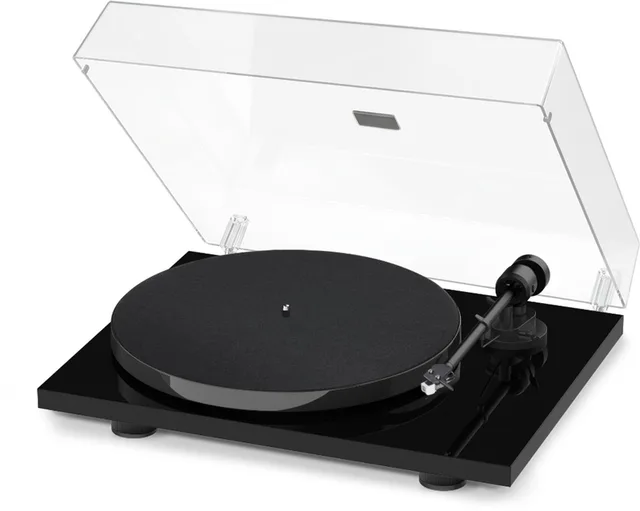
E1 BT Bluetooth Platenspeler
met Phono VoorversterkerBluetoothBlack, WalnootFrom €345 · at 2 shops
Lowest in 25 days
- Sony
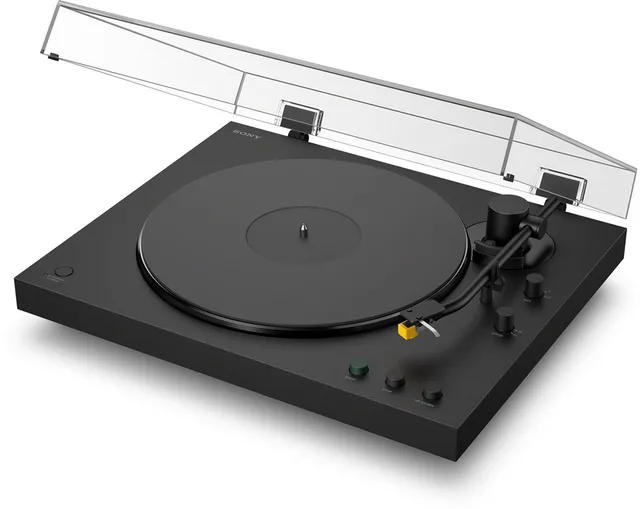
PS-LX5BT Zwart
BluetoothBlackFrom €299 · at 3 shops
Lowest in 25 days
- Technics
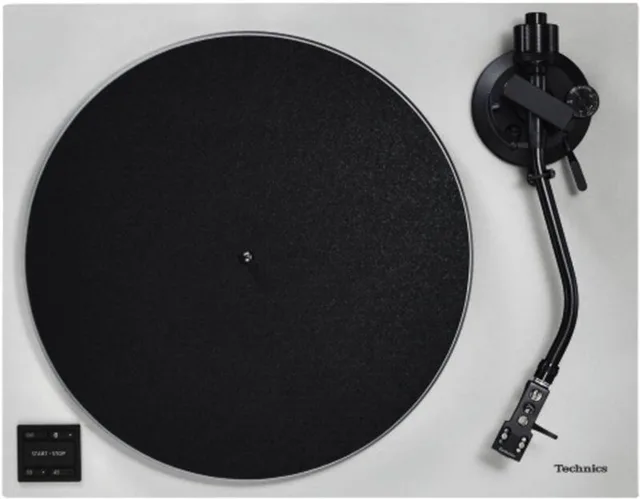
Platenspeler SL-40CBTE-H grijs Bluetooth-connectiviteit, een ingebouwde phono-voorversterker
BluetoothWhite€727.96 · at 1 shop
- Rega
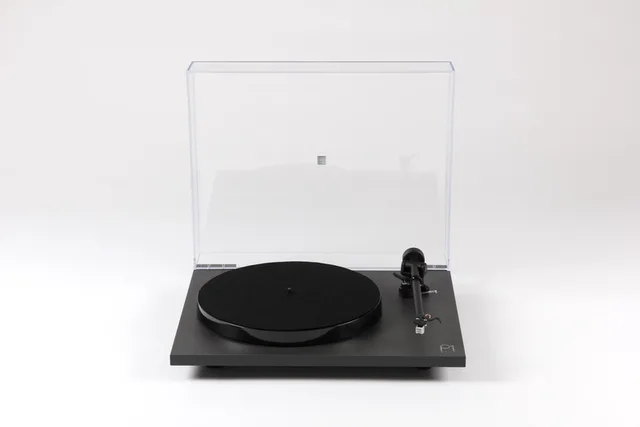
Planar 1 Plus Platenspeler
met Phono VoorversterkerMat zwart, Mat WitFrom €529.99 · at 1 shop
- House of Marley
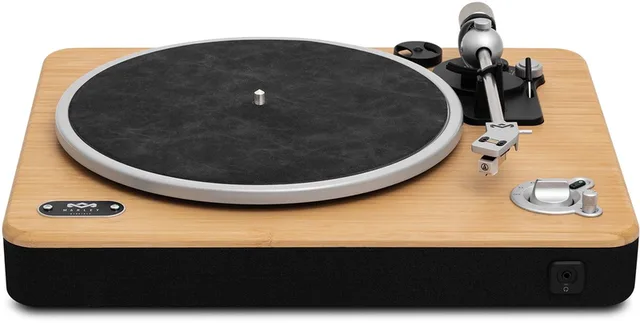
Stir It Up 2 Bluetooth Platenspeler
LP Speler · Ingebouwde VoorversterkerBluetoothStir It Up 2From €179 · at 4 shops
Lowest in 25 days
- Lenco
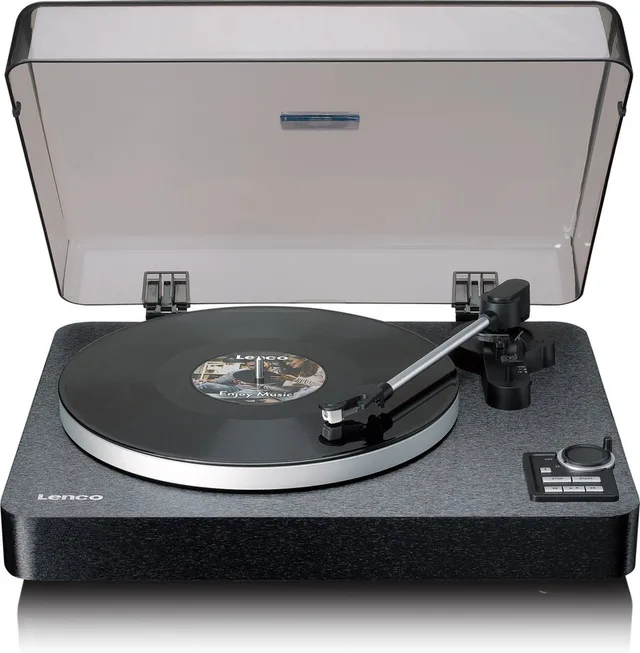
Platenspeler
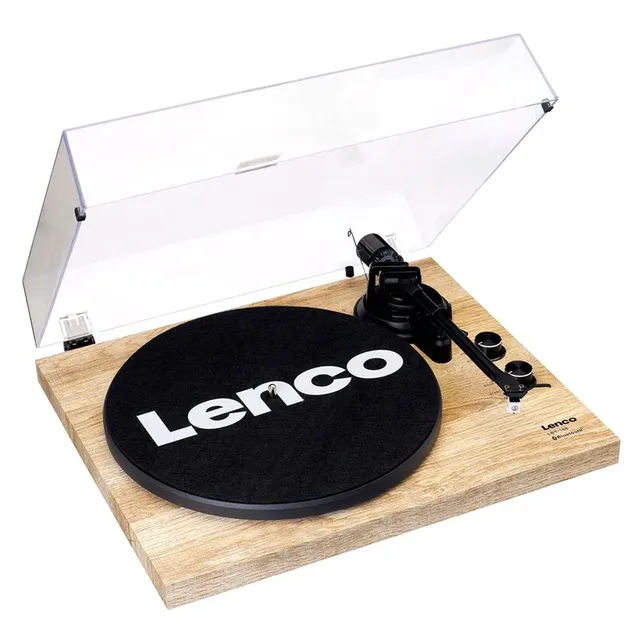
Volledig automatische PlatenspelerBluetoothBlackFrom €183.98 · at 3 shops
Lowest in 23 days
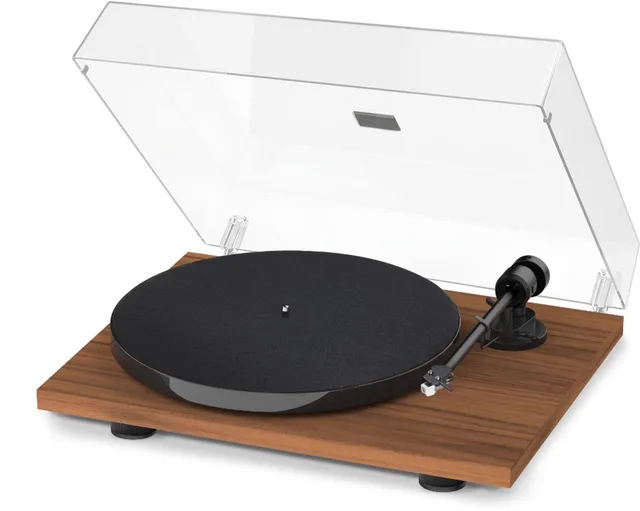
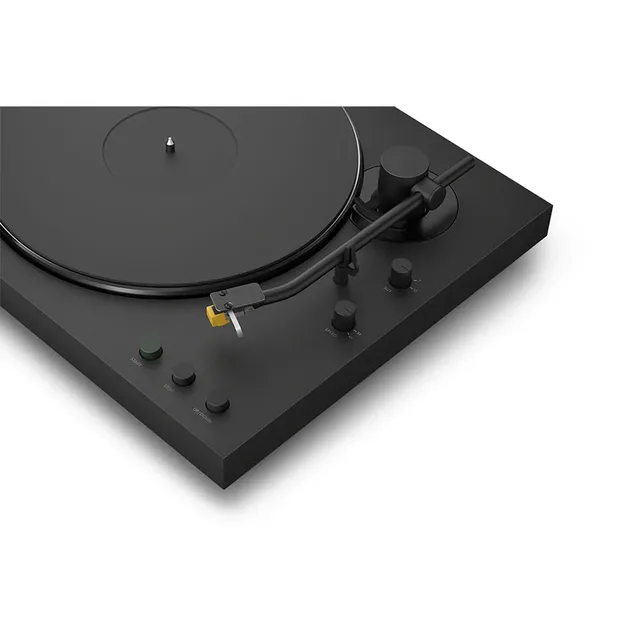
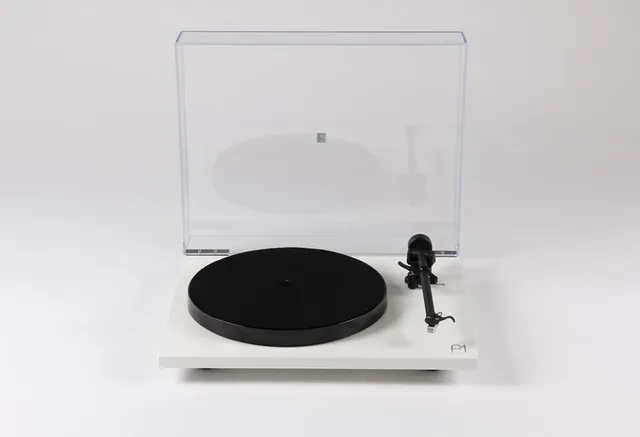
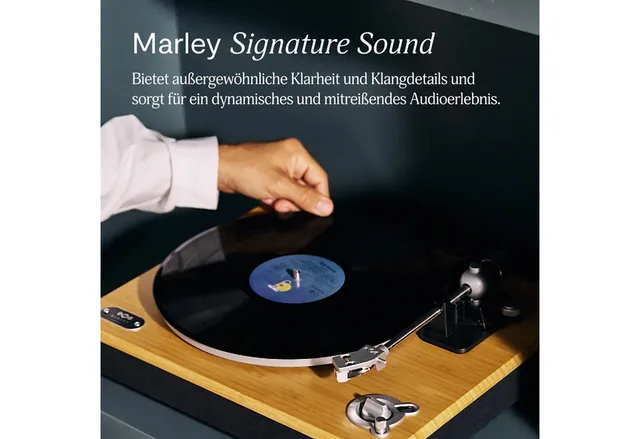
Separate preamps are under phono preamps, such as the Pro-Ject Phono Box S2 and the NAD PP 2e. What do you need to connect your turntable? shows what you still need and how to connect the cables.
Cartridge and stylus
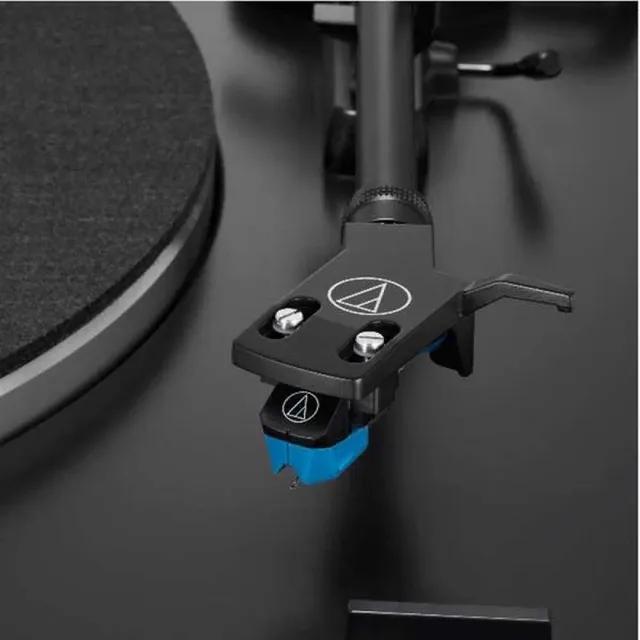
The cartridge sits at the end of the arm, and the stylus (the needle) sits in the cartridge. Most beginner players use an MM (moving magnet) cartridge, whose stylus can be replaced without removing the cartridge. Pro-Ject lists the Audio-Technica AT3600L cartridge for the E1 BT; House of Marley lists an Audio-Technica cartridge for the Stir It Up 2.
A stylus wears. How long it lasts is in the cartridge's manual. With Ortofon you can upgrade within the 2M series by changing only the stylus: the 2M Blue stylus fits a 2M Red cartridge, as does the 2M Red stylus itself. Replacement styli and other accessories are under turntable accessories.
On a manual arm you set the tracking force with the counterweight at the back of the arm. The cartridge maker gives that force in grams. On plug-and-play models it is set at the factory.
Speeds
LPs play at 33⅓ rpm, singles at 45. Almost every player does both. Old shellac records play at 78 rpm: for those you need a player that can do 78 and a separate stylus, such as Ortofon's 2M 78. Every player is under turntables, with prices from several shops.
Frequently asked questions
Do I need an amplifier for a turntable?
You need a phono preamp and speakers. If the player has the preamp built in, you can connect it to active speakers. With an all-in-one the speakers are included.
What is the difference between automatic and manual?
With an automatic player the player puts the arm on the record and lifts it off. With a manual one you do that yourself.
Can I connect a Bluetooth turntable to my headphones?
Yes, if the player and your headphones both have Bluetooth. Sony, Pro-Ject and Audio-Technica list it for their BT models.
When should I replace the stylus?
The cartridge maker states after how many playing hours in the manual. With an MM cartridge you replace only the stylus.
Keep looking
Hifyr doesn’t test devices itself. This guide sets out what manufacturers state.
Products from this guide
Popular products with a current price at the shops. Compare the prices on the product page.
- Sony
PS-LX5BT Zwart
BluetoothBlackFrom €299 · at 3 shops
Lowest in 25 days
- Sony
PS-LX3BT Zwart
BluetoothBlackFrom €199 · at 5 shops
Lowest in 25 days
- Lenco
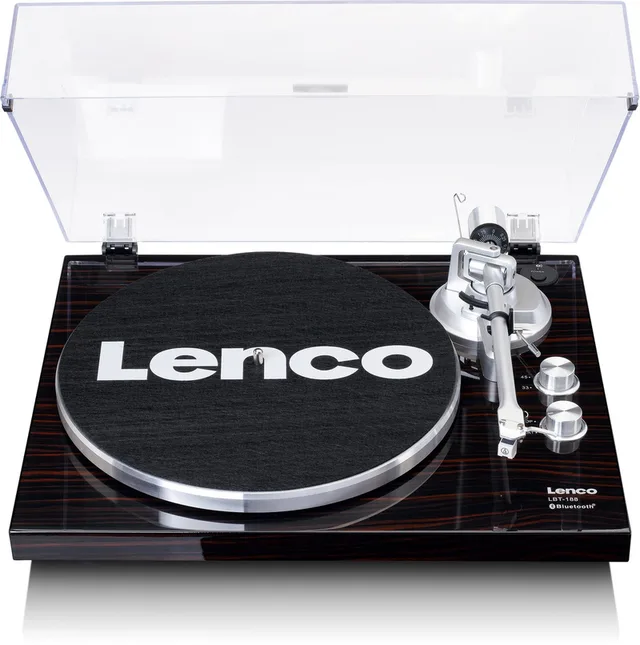
Platenspeler
met Bluetooth · LBT-188WA · BruinBluetoothWalnootFrom €202 · at 3 shops
- Lenco
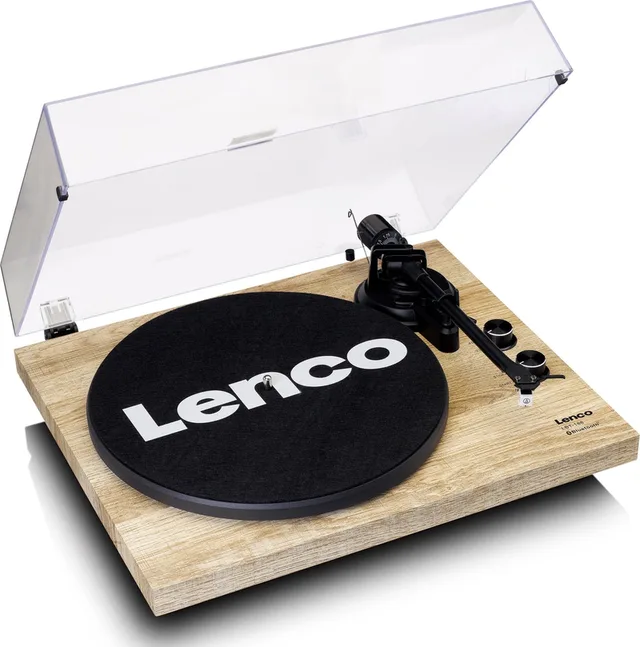
Turntable
with Bluetooth, LBT-188PIBluetoothHoutFrom €206 · at 5 shops
- Lenco
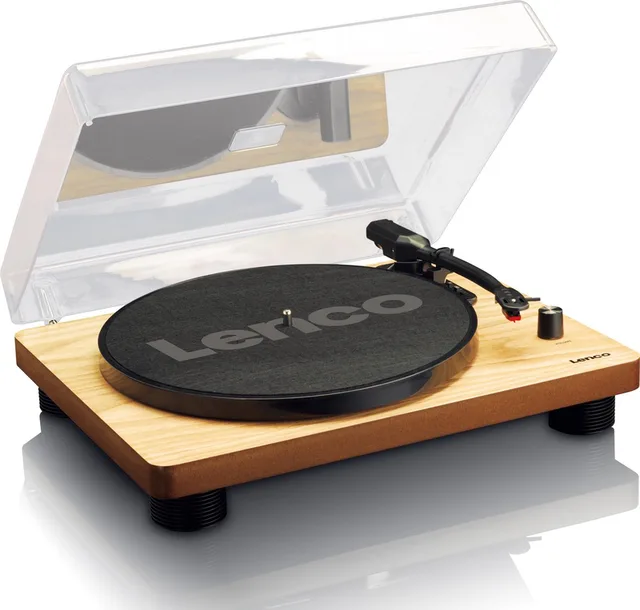
Turntable
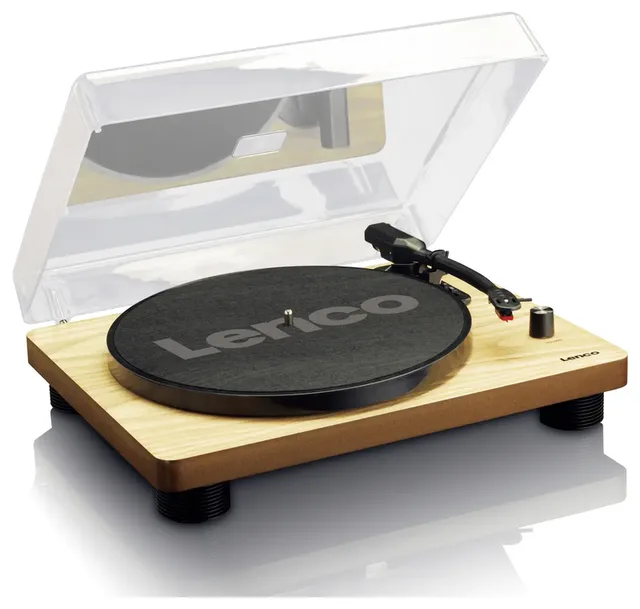
HoutFrom €109 · at 4 shops
Lowest in 25 days
More buying guides
- Choosing noise-cancelling earbuds: fit, phone and battery Noise cancelling makes trains and planes quieter, but not everything. Here is how to choose earbuds that seal well, suit your phone and last long enough. Read the guide
- Choosing a Bluetooth speaker: waterproofing, battery life and stereo pairing Off to the beach or just in the garden? Here is how to read the IP code and the battery life, and how to know beforehand whether you can link a second speaker later. Read the guide